Keeping wildlife on the right side of a structure is part materials science, part detective work, and part seasonal discipline. Exclusion barriers that were perfectly installed in spring can be undermined by summer heat, fall leaf drop, or a midwinter thaw. The best wildlife control programs do not end at installation. They continue with routine maintenance and timely adjustments, because animals never stop testing the edges.
I have run service routes where a single property saw three different species test the same corner within a year. A raccoon found a slack spot in the soffit in March, a red squirrel gnawed the corner of the same fascia in September, and mice found a gap at grade that December. None of those breakthroughs started large. They started as hairline openings that weather expanded or as fasteners that backed out after repeated thermal cycles. If you want exclusion to hold, you need to think like water and like an animal. Where can it creep, push, wick, pry, or chew?
What follows is a practical framework to maintain wildlife exclusion barriers with the same rigor you would apply to a roof or foundation. I will cover the weak points that typically fail, the schedule that keeps problems small, the materials that last in the field, and how to adjust for species behavior and weather patterns. Along the way, I will point out when a homeowner can handle the task, and when it is better to call a wildlife trapper or a licensed wildlife removal team.

Why long-term maintenance determines success
Exclusion is not a one-time product. It is a system exposed to ultraviolet light, freeze-thaw cycles, capillary water, soil movement, and animal behavior that changes with food availability and mating seasons. A barrier fails in three main ways. The material degrades, the building moves, or the animal escalates.
Material degradation is predictable. Plastics chalk and crack in sun. Galvanized coatings thin near edges. Foams dry, shrink, and pull away from rough masonry. Even good stainless mesh can fatigue if it vibrates against a hard edge, especially on mechanical equipment housings.
Buildings move more than most people expect. Humidity swings swell wood trim by several millimeters, enough to bow a screen. Frost heaving lifts an apron of hardware cloth just enough times to create a ripple that a persistent skunk can nose under. Concrete hairline cracks grow. Mortar grains out. Each change is small, but wildlife works in millimeters.
Animal escalation shows up when a raccoon that once nudged and sniffed returns with intent and force. If it smells a path to warmth or food, it will pull, dig, and chew in places that seemed unlikely targets. Maintenance does not guarantee animals will never try. It ensures that when they do, the barrier still has its integrity.
Know your enemy, and your climate
Maintenance priorities shift with species and climate. Suburban raccoons in the Midwest pry soffits and roof edges. Groundhogs in the Northeast dig under shed skirting. Roof rats in the Gulf states are fond of flexible gaps around utility penetrations and ridge vents. In arid regions, woodpeckers open foam fascia to hunt insects, then starlings widen the holes for nesting. On coastal properties, salt air speeds corrosion, which changes the hardware you choose.
A wildlife control technician looks for patterns tied to seasons. Squirrels test vents in late winter and early spring during denning. Bats return to maternity roosts in late spring and early summer, which means exclusion mesh around eaves needs an extra check before birthing season. Skunks push soil loose after rains when digging is easy. If maintenance visits align with those cycles, you catch problems early.
Temperature swings matter too. In regions with a 70 degree Fahrenheit annual swing between winter and summer, a 10 foot steel run will expand and contract enough to loosen fasteners if there is no slip allowance. I have seen ridge vent covers walk fasteners out over two seasons, leaving a perfect quarter-inch gap along the crest. If you plan for movement and schedule checks after the big swings, you stay ahead of those gaps.
Build a maintenance cadence that sticks
The most durable exclusion work I see follows a simple rhythm: an initial inspection after major weather events, seasonal tune-ups, and a deeper annual audit. Fine-tune the timing to your environment and animal pressure, but the logic stands. Inspect soon after forces that move materials, and before species that test them become active.
Aim for a quarterly light inspection and a once-a-year comprehensive one. The light version takes an hour on a single-family home and centers on edges, vents, and ground lines. The annual version is slower and includes attic or crawlspace checks for sign. Commercial properties with flat roofs, parapets, and complex penetrations need more frequent rooftop walks, often monthly during storm seasons.
If you inherit a property with unknown history, start with a baseline survey. Map every vent, penetration, attic access, soffit seam, gable edge, chimney, chase, and deck skirt. Photograph each barrier and note material type, fastener type, and install date. That record pays dividends when you return nine months later. You can spot color change on galvanized, backing-out screws, and tension loss in mesh simply by comparing photos.
The failure points that deserve outsized attention
Barriers rarely fail across their whole span. They fail at terminations and transitions. If you focus on the places where one material meets another, you will prevent most re-entry attempts.
Roof edges take the top spot. Drip edges, rake boards, and fascia transitions flex and move as gutters load with water and ice. If the exclusion relies on a tight seam along a roofline, you need a continuous mechanical attachment, not a reliance on sealant alone. I have seen sealants that looked perfect in July crack open in January, then peel in sheets once ice forms.
Vents and fans are the second frequent failure zone. Dryer vents push hot, moist air, which ages many plastics and gaskets. Bathroom fans do the same on a smaller scale. Many off-the-shelf vent covers are built for birds and squirrels that peck and push lightly. They are not built for a raccoon that twists a damper with both paws. If a wildlife trapper had to use cage traps on your property before, assume you have animals that will test vents with force.
Utility penetrations, especially around flexible lines and expansion joints, create hidden gaps. Gas lines, conduit, and refrigerant lines often pass through oversized sleeves. Foam alone will not hold. Over time it shrinks and tears against metal. Use a backing of non-chew stainless mesh, then a UV-stable sealant. Recheck once a year and after major HVAC service, because technicians sometimes disturb seals when they re-route lines.
Ground-level skirting and lattice around decks and sheds fail by soil movement and rot. Hardware cloth that was buried four inches feels secure until a heavy rain erodes a slope. I prefer an L-shaped trench barrier that drops 8 to 12 inches and runs outward 8 to 12 inches. Even then, check for digging on the outside edge. If you see fresh soil throws, reinforce that section with more depth or a heavy apron.
Chimneys and flues draw both heat and scent, which attracts animals. Screen caps with poor welds or cheap plating often pop at the corners. Stainless is worth the cost here. Mortar at the crown cracks, and that crack can migrate under a cap. During maintenance, push and twist the cap by hand, not just a visual glance. If it shifts, assume a raccoon can move it farther.
Materials that survive real weather and real animals
Long-term exclusion hinges on the right materials in the right places. The workhorse is stainless steel hardware cloth in 16 to 19 gauge, with 0.25 inch mesh for rodents and 0.5 inch where airflow is critical and the target is larger animals. Welded stainless holds form and resists chewing. Galvanized mesh can work at ground level where UV exposure is lower, but service life drops in coastal or high-acid rain areas.
Fasteners deserve as much thought as mesh. Exterior-grade screws with large washers distribute load and prevent pull-through. In soft wood or aging fascia, back up screws with continuous furring strips or aluminum angle to spread stress across a longer span. Where you attach to masonry, use sleeve anchors or tapcons with stainless heads. If a single screw takes the bulk of pry force, it will back out eventually.
Sealants are best used as gasketing, not glue. Polyether and high-quality polyurethane remain flexible and bond to dissimilar materials. Silicone has its place around high-heat flues and some plastics, but it can peel clean if the surface prep is poor. Where chewing is likely, do not leave sealant exposed at an edge. Wrap it in mesh or cover with a trim piece. Animals pry at soft edges.
Vent covers and guards vary widely in quality. Powder-coated steel or stainless lasts. Thin plastic cracks, which invites determined entry. For dryer vents, use a cage that allows flap movement and lint cleaning, but prevents animals from grabbing the flap. For ridge vents, retrofit systems with a continuous metal baffle under the cap outperform foam baffles in areas with rodents and bats.
Pressure-treated lumber resists rot but does not stop chewing. If you build skirts or frames with PT boards, consider a sandwich approach with hardware cloth captured between boards, not simply stapled behind. Staples are quick, yet they are the first points to rust and fail. A double mechanical capture with screws and fender washers outlasts staples by years.
Inspection techniques that catch small problems early
A good maintenance inspection is tactile, not just visual. Animals probe with noses and paws, so you should too. Run your hand along mesh edges and feel for slack or vibration. Tap fasteners and watch for movement. Push gently upward on soffit panels to find flex points. Stand back at low sun angles to spot waviness along long runs. The human eye is more sensitive to shadow lines than head-on views.
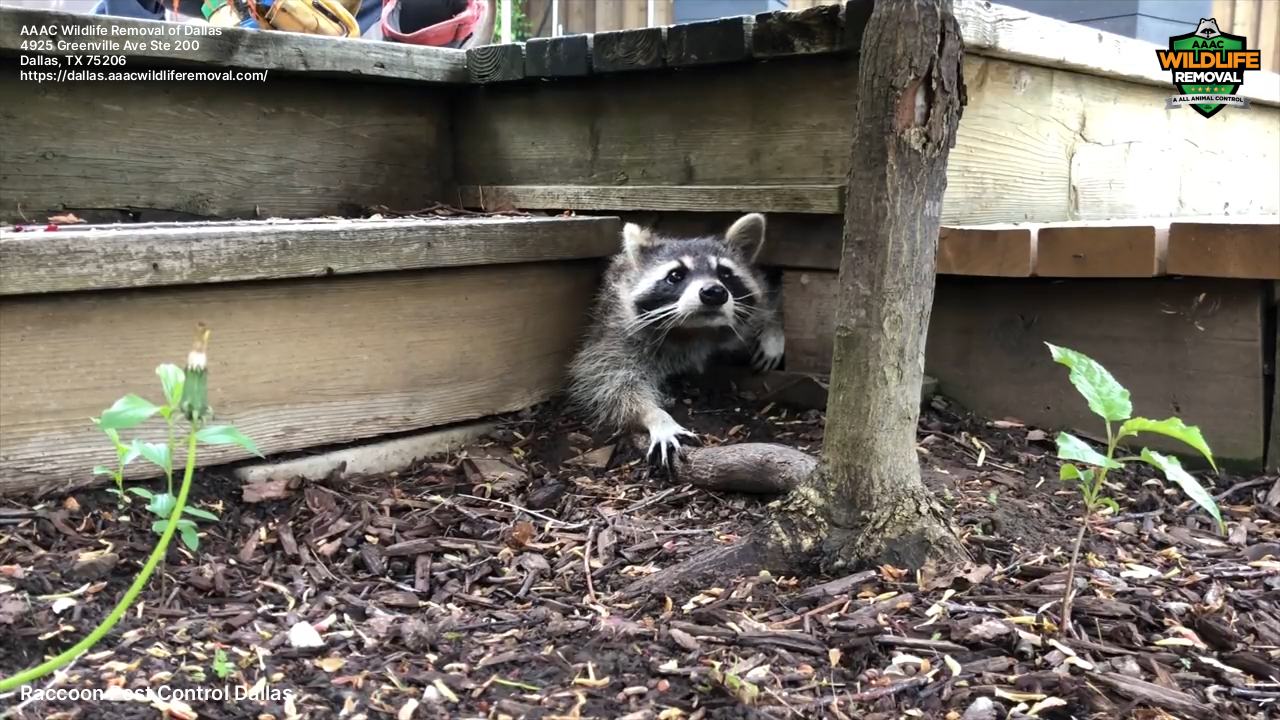
Bring a small set of tools to even a quick inspection. A driver with the correct bits, a handful of replacement screws, a tube of your go-to sealant, and a pair of snips let you fix minor issues on the spot. I have turned many call-backs into quick saves by tightening six screws and adding a 6 inch mesh patch over a new chew focus. If you leave small issues to the next visit, animals may exploit them.
Look for sign, not just damage. Grease marks around a vent, a smear of hair on a corner, disturbed mulch at a fence line, or droppings on a ledge tell you where an animal is testing. If you see rub marks up high, follow them to the ground. Animals find ramps you did not notice, like stacked firewood or an overgrown trellis. Cut back vegetation that bridges to roofs, especially within 6 to 8 feet of edges.
Inside spaces confirm what the exterior suggests. In attics, pull back insulation near eaves to check for light leaks and droppings. Listen during quiet moments. Squirrels and mice telegraph presence with chewing and movement. Bats leave distinctive stains on entry points, called guano staining, which outlines gaps better than your flashlight sometimes. In crawlspaces, look for daylight at the sill and smell for ammonia from rodent urine.
Seasonal adjustments that keep barriers tight
Each season brings hazards that maintenance can preempt. Spring swells wood, fills gutters, and brings nesting behavior. I prefer to inspect roof edges and vents early in spring to catch any looseness before wildlife seeks a den. Clear gutters fully, because overflow stains and rot fascia, and rot invites prying.
Summer heat exposes UV weaknesses. Plastics chalk and turn brittle. Check vent hoods and any foam-based products. Watch for expansion that stresses long metal runs. On flat roofs, watch for ponding water that promotes corrosion of fasteners and supports. If your region gets summer storms, a quick check after a severe wind event is smart, because debris can dent and dislodge covers.
Fall is your second major push. Animals look for wintering spots, and leaf load hides developing issues. Blow and bag leaves around ground barriers. Rake back mulch and soil from skirting edges so you can see digging. Verify that chimney caps are firm before the hearth season starts. If you have bat work on a building, confirm that all one-way devices are removed and final closures are intact once the maternity season has ended, in accordance with local regulations.
Winter stress shows up in different ways. Freeze-thaw cycles loosen masonry. Snow load on low roofs presses on screens and low vent covers. Icicles form on poorly insulated edges, and their weight can pull gutters that double as part of your barrier. During midwinter thaws, walk the property and look for new heaves or gaps at ground runs. Where deer pressure is high, check that exclusion around ornamental plantings and small trees is upright and intact, as winter browse forces animals to push into fences.
Special cases: bats, birds, and protected species
Legal and ethical considerations shape maintenance for some species. Bats are protected in many states during their maternity season. If your exclusion work sealed roosting points in late summer, you will want to recheck those areas before spring, then leave them undisturbed once pups are non-volant periods begin. If you find new bat sign near a known maternity window, halt work and contact a wildlife removal professional who handles bat programs.
Birds add another wrinkle. Some species are protected by federal law during nesting. That includes removing active nests with eggs or chicks. Maintenance around soffits and vents in spring should be observant. If you encounter an active nest in a vent, you may need to implement temporary measures like flapper gap reduction, then schedule full repairs after fledging.
Where threatened species are present, such as certain burrowing owls or tortoises, ground barrier maintenance requires coordination with local agencies. A wildlife control company with permitting experience can perform pre-disturbance surveys and set up buffer zones while still maintaining the integrity of exclusion around structures.
Repair philosophy: small patches vs full runs
Not every nick or chew mark merits replacing an entire run of mesh. The aim is to restore strength and eliminate leverage points. If a squirrel chews a 1 inch notch in a 19 gauge stainless run, a 4 by 4 inch patch captured with screws and washers at each edge outperforms a smear of sealant every time. Place the patch so that the animal encounters a new hard edge if it returns to chew.
If you see repeated testing along a run, the problem may be installation geometry rather than material failure. Mesh that runs over a sharp 90 degree edge vibrates, and screws placed too far apart allow localized flex. In those cases, remove the run and replace it with a stiffer assembly, perhaps with an aluminum angle backing to eliminate the leverage point.
Rot under a barrier is a full-run issue. If a soffit board has softened, you cannot anchor reliably. Replace the substrate, then reinstall exclusion. The same holds for rusty metal flashing that looks intact but flakes under a screwdriver. Strong barriers rely on strong substrates.
When to call a professional
A capable homeowner can handle routine checks and straightforward tightening. Bringing in a licensed wildlife trapper or wildlife removal company makes sense when species pressure is high, when you see entry sign despite intact barriers, or when the barrier system interacts with safety-critical parts of the building like chimneys or electrical penetrations.
Professionals bring a different toolkit. Smoke tests on attic spaces can reveal hidden communication paths between soffits and interior voids. Thermal cameras can spot insulation voids that draw animals to warm edges. Some teams use motion cameras to document behavior before committing to a repair approach, especially on commercial sites where shut-downs are expensive. A good wildlife control outfit also knows the trapping, exclusion, and sealing sequence that avoids locking animals inside. That matters with raccoons and squirrels that can do serious damage if trapped in a soffit for 24 hours.
If a problem repeats after two maintenance cycles, assume your approach is mismatched to the animal or structure. A wildlife exterminator is not the right term here for most jurisdictions, since lethal control is regulated and often unnecessary for exclusion success. Instead, ask for an inspection that includes behavior analysis and a revised materials plan.
Documentation that saves time and money
The least glamorous part of maintenance is the most valuable. Keep records. Date-stamped photos, location notes, materials list, and observations of sign build a timeline that tells you which barriers last and which need revision. On commercial sites, I keep a map with numbered points and QR codes that link to photo galleries. On homes, a simple folder per year works.
Use labels discreetly on hidden faces: a date and initials on the back side of a mesh plate or a small tag under a vent hood. When a new technician arrives, they can check age and know whether they are seeing a fresh failure or a late-stage material reaching end of life. If you change vendors, those records prevent rework and missed spots.
The role of housekeeping, landscaping, and neighbors
Even the best exclusion struggles against attractants. Overflowing bird feeders, unsecured pet food, and open compost create a constant draw. I have watched raccoons climb exclusion-grade mesh simply to reach an easy food source nearby. Tighten sanitation. Close lids. Use metal cans for feed storage. Seal compost or bury kitchen scraps in the center of a hot pile, not near the surface.
Landscaping can inadvertently defeat your work. Vines creep into soffit vents and provide handholds for raccoons. Arborvitae that touch the eave line become ladders for squirrels and roof rats. Keep a vegetation buffer around the structure. Trim tree limbs at least 8 to 10 feet from the roof where possible. Raise grill covers and outdoor cushions off the ground, since nesting mice love dry, fabric-filled spaces.
Neighbors matter. In dense neighborhoods, a row of connected decks or a continuous roofline on townhomes creates common pathways. You may maintain your section perfectly while the adjacent section invites entry. A cooperative approach, often with a single wildlife control vendor for the whole row, produces far better results than piecemeal efforts.
Cost and lifespan expectations
A well-installed stainless mesh barrier on a roofline should last 8 to 15 years under typical inland conditions. On the coast, expect 5 to 10 unless you spring for higher grade stainless and hardware. Ground barriers with galvanized mesh last 5 to 8 years before corrosion at soil contact reduces strength. Upgrading to stainless at soil contact can double that, though the upfront cost is higher. Vent covers vary widely. Budget models fail in 2 to 3 years under UV exposure, while heavy steel or stainless units often go 7 to 12 years with occasional tightening.
Maintenance time is modest compared to replacement. A quarterly check on a single-family home can be done in under two hours if you stay organized. Annual audits may take half a day, especially if you include attic and crawl inspections. The payoff is straightforward. You avoid the cost and stress of re-entry, cleanup of droppings and nesting, and the hazards that come with animals in living spaces, like gnawed wiring or contaminated insulation.
Field-tested tips that prevent headaches
- Schedule inspections directly after the two biggest weather stressors in your region. For northern climates, that is after spring thaw and after the first hard freeze. For hurricane-prone regions, it is after major wind events and the humid peak of summer. Putting those dates on the calendar beats trying to remember during busy seasons. Carry a small color-matched touch-up paint for metal components. After you drill or cut, priming edges and screw heads adds years to corrosion resistance and preserves a clean look that keeps property managers happy.
Beyond those quick habits, take pride in the small adjustments that only come with practice. Slightly over-bend mesh before you set it so it holds tension. Pre-drill into old fascia to avoid splitting. Stagger fasteners near edges to reduce a single line of weakness. Check for galvanic pairs when mixing metals, especially on coastal properties. None of those steps alone makes or breaks a barrier, but together they add resilience.
What success looks like over years
On properties with a good maintenance rhythm, the call volume drops. You still see sign, which reminds you that wildlife does not retire. But instead of a panicked call about a raccoon in the attic at 2 a.m., you find muddy prints on the outside of a vent guard and a tiny pry mark that never turned into entry. You tighten a few screws, add a small plate where you see repeated attention, and move on.
That is the goal. Not to end wildlife behavior, but to guide it away from human spaces with barriers that stay intact. Work with intention, https://jasperztuz790.raidersfanteamshop.com/how-to-choose-a-wildlife-pest-control-company-you-can-trust pick materials that match the exposure, inspect with your hands and eyes, and align your maintenance schedule with the seasons and the species. Whether you are a homeowner maintaining your own system or a professional on a route, that approach keeps structures secure and animals outside, where they belong.